

I recently came back from 1 week in Bali followed by 3 weeks in Thailand so this comparison feels fair and fresh in my mind. This was my second time in Bali (first in 2019) and I’ve lost count of the number of times I’ve returned to Thailand since 2023.
Prices and Food
Let’s start with pricing. From my experience, a decent meal in a mid-range Bali restaurant with one alcoholic drink, cost around USD 18-20 per person, and in Thailand about USD 15-18. Not a huge gap, but Bali did feel slightly more expensive.
In terms of food, I found Thai cuisine tastier, or maybe I just got more comfortable with it. There’s also more variety when you crave Western food. Bali shines for the health-driven crowd. Smoothie bowls, cold-pressed juices, vegan cafés and beautifully plated breakfasts are everywhere. If you love morning Pilates, sunset yoga, or group workouts, you’ll find abundant, inexpensive classes and a whole community built around wellness. It can feel undeniably inspiring if movement and mindful eating light you up.
In summary: Bali leans into health-conscious café culture, while Thailand thrives on vibrant street-food variety so it probably depends on personal preference.
Getting Around
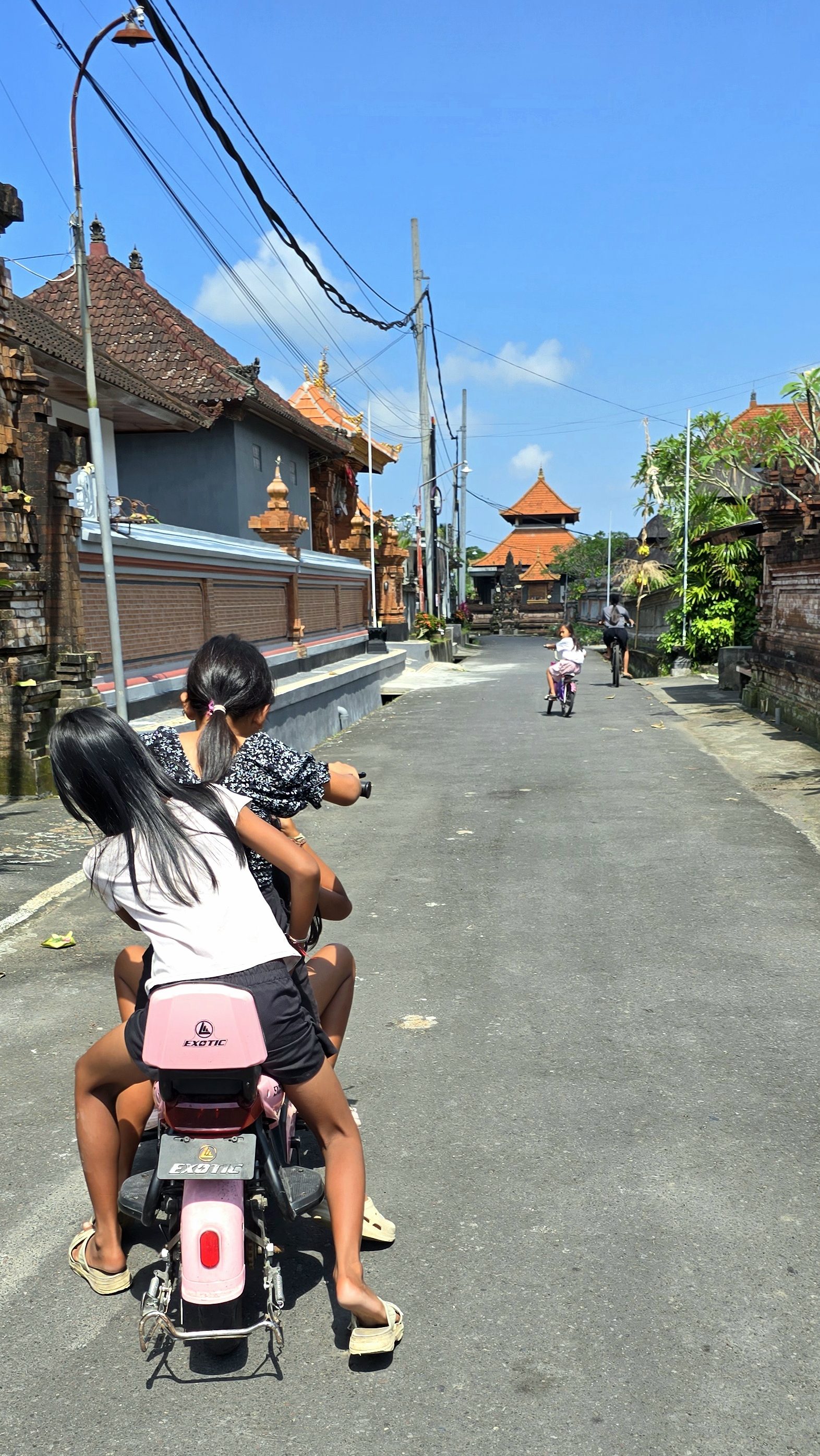
Although in Bali, Grab is available (especially in southern tourist hubs like Seminyak, Ubud and Denpasar), certain other areas are marked with “no Grab” signs, often to protect local drivers. Some rural or northern areas (like Amed or parts of North Bali) may have very limited or no Grab availability. Sometimes Grab drivers would confirm your ride on the app, then call, asking for a high tip in cash… not exactly aligned with that alive.unposed ethos.
Bali’s traffic when driving is incredibly slow and demands patience, so give yourself extra travel time when planning your rides (from experience, you need to add a good 25% extra time compared to google maps’ estimates). Riding bikes instead of cars helps for sure. In Thailand, by contrast, Grab is plentiful and consistently accessible across most areas of the country. Traffic in certain areas of Thailand, such as Bangkok, is heavy too, but overall the pace still feels more alive than stuck.
If you are up for a small adventure, taking Grab bikes in both Bali and Thailand is an adrenaline experience in itself, but you have to surrender and fully trust the local bikers in order to enjoy the ride.

Convenience, Safety and more
In Bali, Circle K is quite popular, but nothing beats Thailand’s omnipresent 7-Eleven, open 24/7 and sprinkled into every corner of Thai streets. You can literally find anything in 7-Eleven, from mosquito repellent to popular sandwiches (which can be heated at the counter) and their famous Yadom nasal inhalers!
If you are into recreational drugs such as cannabis, Thailand is the place to be. Don’t even risk it in Bali as penalties are harsh. Always check current regulations.
I traveled solo as a woman in both places for several days… and felt safe in both. Still, Bali’s tourist hotspots felt transactional and more opportunistic, while Thailand felt solfter and relaxed in an everyday way.
Thailand is notably progressive, more visibly LGBTQ+ friendly, legalising same-sex marriage in 2025. Bali, while spiritual and beautiful, doesn’t feel as openly expressive. That said, Thailand’s visible queer nightlife also comes with complex gray layers, including some aspects of sex tourism… which leave me uneasy.
People, Atmosphere & Things to do
If you are into surfing, Bali is the place to be, with world-class waves for pros and beginners alike. It is very popular among Aussies and you will hear that Australian accent all the time. Thailand offers mostly gentle beginner waves, with less surf infrastructure.
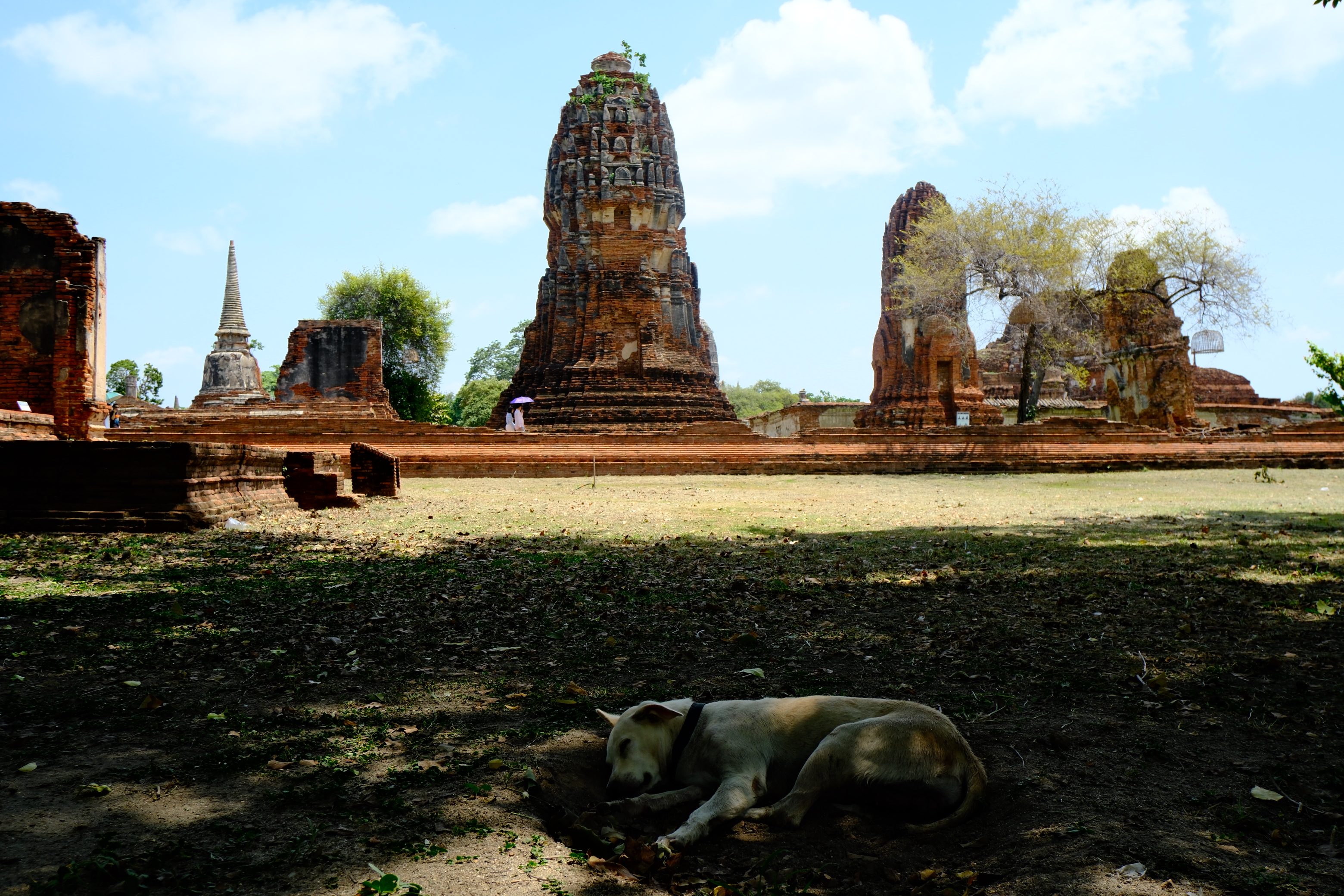
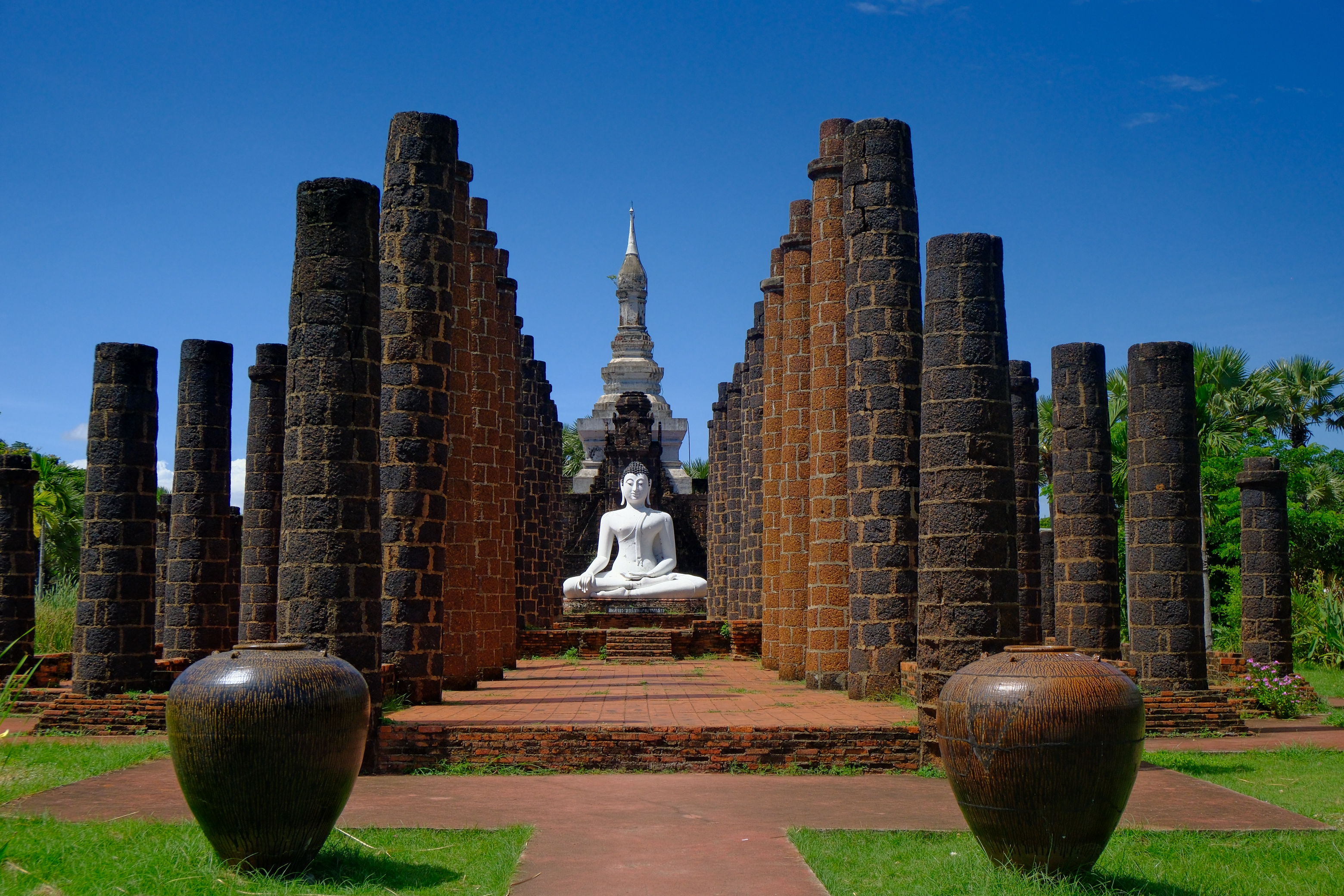
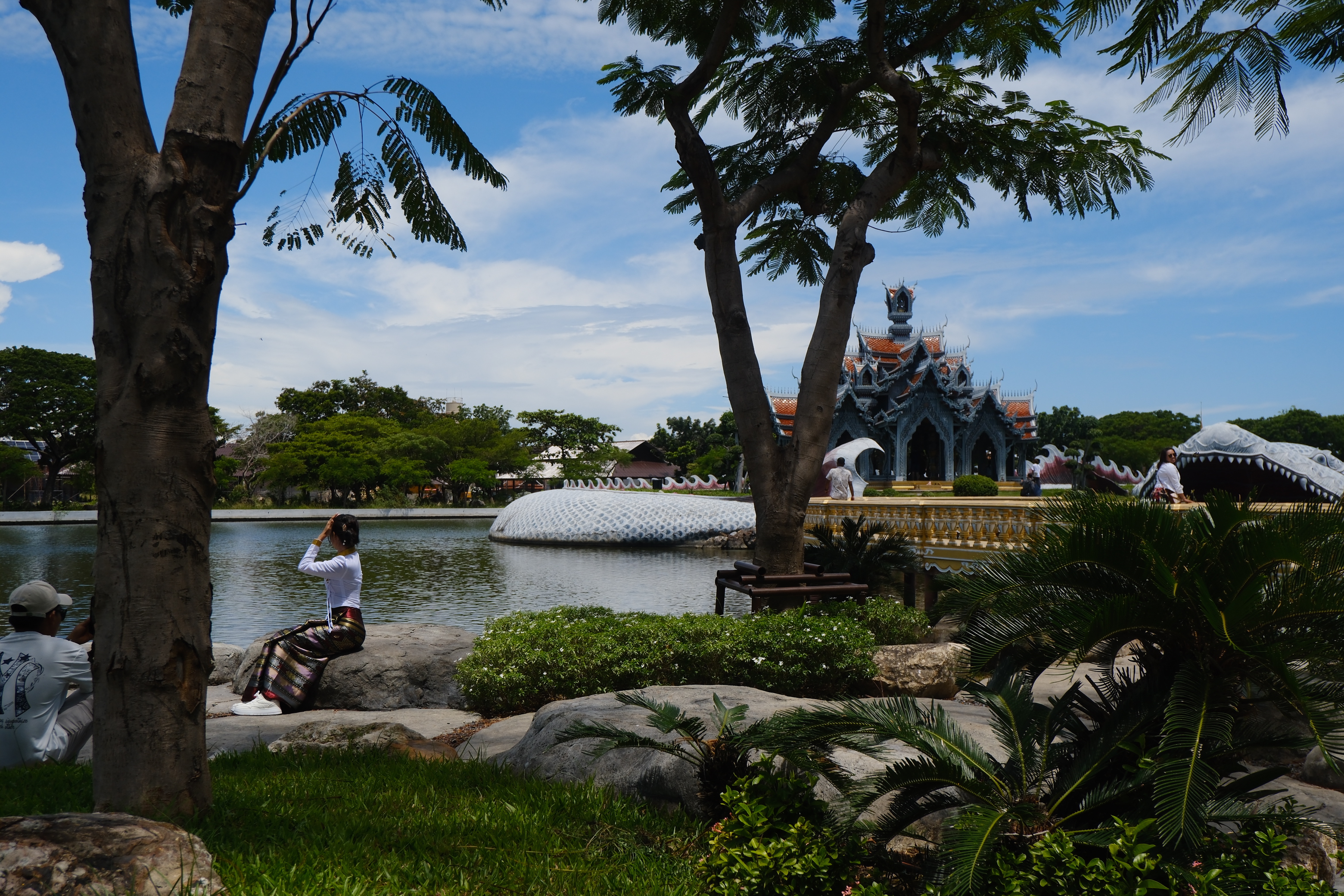
Temples in Thailand felt grand and majestic… Bali’s are ornate and spiritual, but often felt crafted with cameras in mind.
Bali is well-established for retreats and luxe hotels. Thailand is however catching up, with cheaper, emerging options, but Bali still feels more polished in this realm.
Bali’s tourist zones can feel overly commercial… endless offers for transport, queues for Instagram spots. It often felt too posed. Thailand, by contrast, felt more authentic. The locals were genuinely kind, and interactions felt real and heartfelt.
Thai massages are everywhere, cheaper (around USD 10/hour), and spontaneous. Balinese massages feel more spa-like and pricier, and I often found myself needing to book ahead. Bali felt curated whilst Thailand felt immediate and accessible. Balinese massages are typically gentle and oil-based, whilst Thai massages are usually intensely physical, including stretching and breath work. However, you can pick and choose your preference in both places.

Bonus Notes
Festivals & Culture: Thailand’s cultural calendar is pure magic… Songkran water festival (usually in April), Loy Krathong lantern festival, and the iconic Full Moon Party on Koh Phangan. Even as a tourist I’ve always felt safe and welcome, drawing locals and travelers together in a way that dissolves boundaries. Bali has its own daily offerings and temple rituals, but nothing that invites outsiders on the same scale. It remains probably more an observer than participant.
Nightlife: Both offer vibrant nights… Bali’s beach clubs and party scenes feel styled, whereas Thailand’s nightlife spans beach parties to hidden live-music venues… more varied, more alive.
Stray Dogs: Present in both places… Some interactions are soulful, other times heartbreaking. A reminder of presence and care.
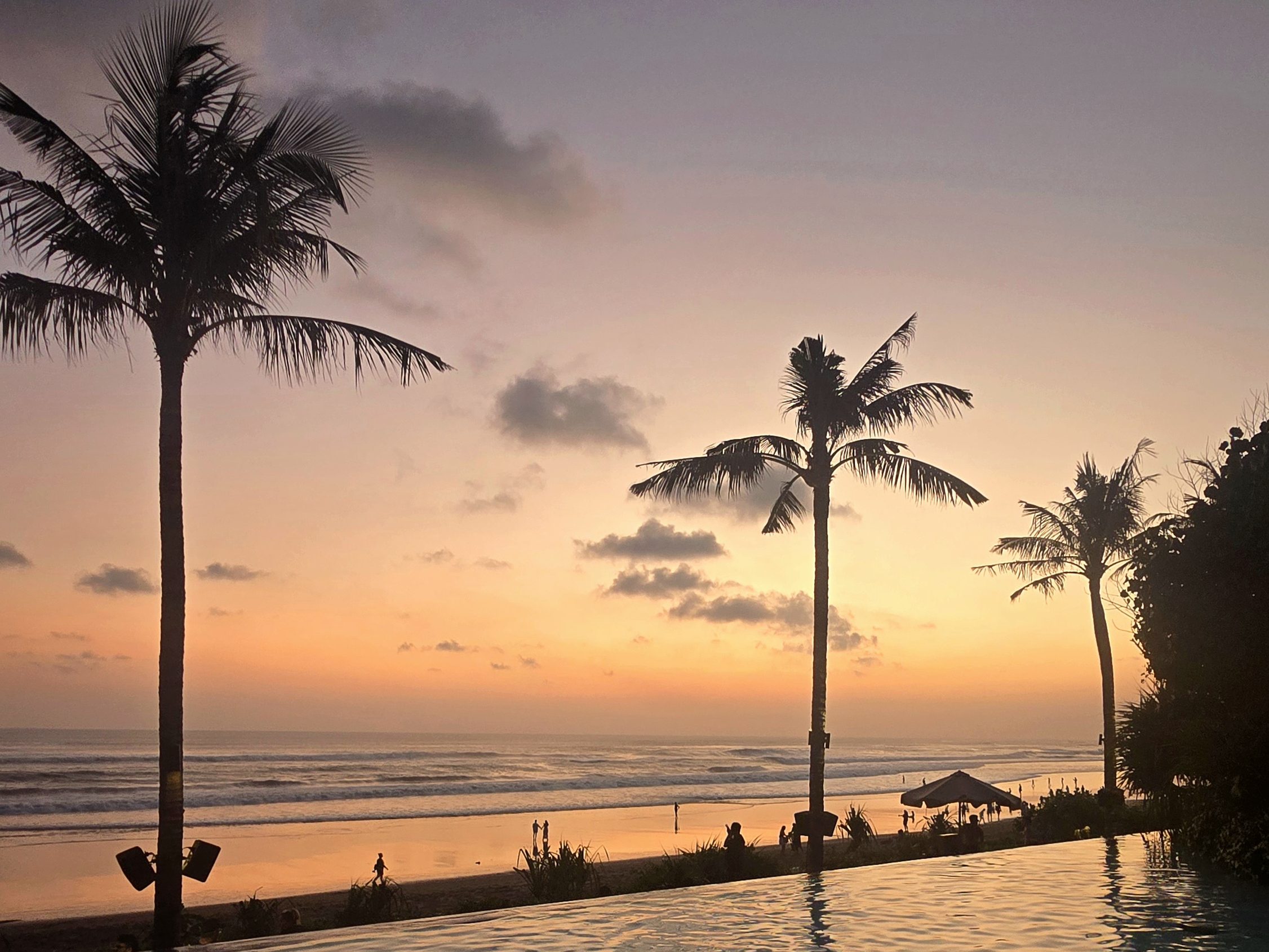
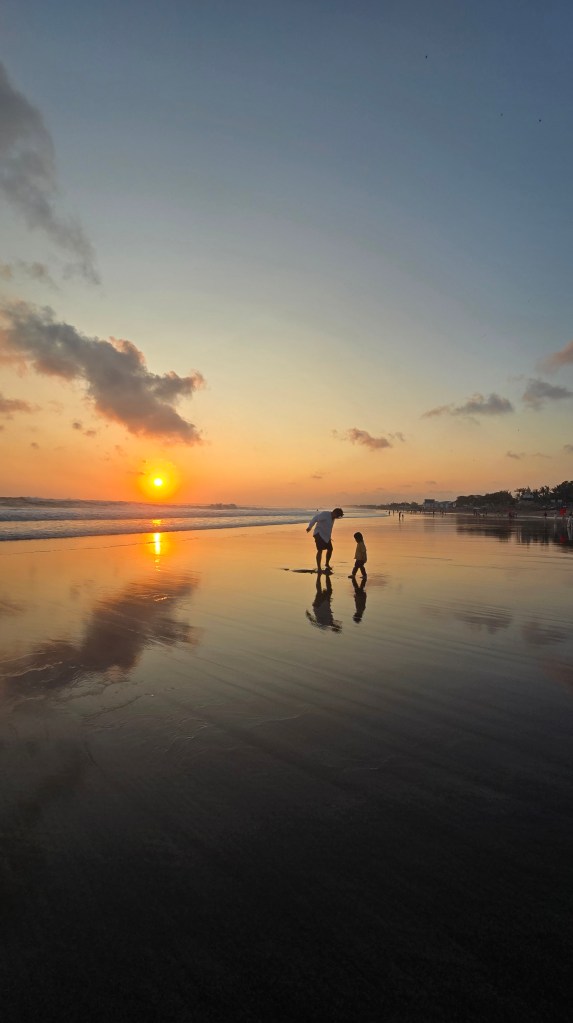
Sunsets: Bali offers dramatic, fiery western-coast vistas. Thailand gives you soft pastels or golden glows… depending where you find your horizon. Both are worth chasing.
Sand Colour: Bali’s beaches often have dark, volcanic sand… rich, grounding, almost earthen. Many Thai beaches are white and powdery, softer underfoot—but not all… proximity to mangroves or rivers can bring darker tones.
Trash: Both destinations have pockets of litter and plastic, especially on beaches, which made me cringe. It feels deeply sad how such beauty is ruined by humans.
Credit Cards: In Bali you’ll need cash often… small shops, warungs, beaches. Cards work in tourist hubs, though often with a 3–5% surcharge. In Thailand, cards work for hotels, malls, and chains, although smaller businesses still tend to add 3% surcharge whilst street stalls only accept cash.
Best Time to Visit
Thailand offers more flexibility year-round… Although typically ideal weather from November to April, I’ve been in August to Bangkok, Ayutthaya, Hua Hin, and Kanchanaburi, and the weather was still kind. Bali’s dry season is clearer (April – October), but Thailand’s diverse regions mean there’s often a good spot any time of year. Feel free to leave a comment below for more recommendations!
Conclusion
Ultimately, it’s a personal choice. Bali pulses with curated beauty and wellness experiences. Thailand hums with the possibility of simply being… unposed, unfiltered, free.
I felt alive in both places… but only in Thailand did I feel unposed.
 alive.unposed
Leave a comment